
Finding Green Pastures in the Holy Work of Admissions
A reflection on the highs, lows, and sustaining grace educators need to continue the work God has called them to do.
These reflections began with Psalm 23. After one of the most emotionally labor-intensive admissions seasons I had experienced, the Lord pressed these words on my heart in a fresh way: green pastures, still waters, restoration, guidance, presence, goodness, and mercy. I invited my dear friends Kelly Adams and Heidi Lepley into what the Lord had laid on my heart, resulting in a beautiful conversation filled with honesty, encouragement, conviction, and grace. We later presented these reflections together at the CESA Summer Advancement Institute. This post grows out of that conversation and the reminder that the Shepherd tends His people even as He calls them to tend others.
Admissions work is often measured in numbers: inquiries, applications, tours, acceptance rates, enrollment goals, retention data, and filled seats. Those numbers matter because they help schools plan wisely and steward resources well. But anyone who has served in admissions knows the real work is far more personal than a dashboard can capture. It is the nervous parent on the phone, the child entering a classroom for the first time, the family hoping to be seen clearly, and the admissions team discerning fit with compassion, wisdom, and conviction.
At its heart, admissions is shepherding. It asks educators to welcome, guide, clarify, comfort, decide, and sometimes disappoint. The work can be joyful and deeply rewarding, yet it can grow emotionally heavy when decisions touch real children, families, and communities. To tell the truth about admissions, we must name both the highs and the lows while recognizing that this same rhythm extends across every corner of school life.
Schools are living communities, not isolated departments. What admissions staff experience at the front door is often echoed in what teachers, coaches, counselors, advancement professionals, student life leaders, and administrators experience in their own spaces. Every role carries both celebration and strain, and every person doing this work needs restoration to continue serving faithfully.
The Highs: Welcoming Families into Possibility
There are moments in admissions that feel like holy confirmation: a student who lights up during a visit, a parent who exhales because someone finally understood their hopes, or a family who recognizes that the school’s mission aligns with what they desire for their child. These moments remind us that the work is about helping families imagine a place where their child can grow, belong, and flourish.
Admissions is often the front porch of a school. Long before a family attends chapel, meets a teacher, watches a game, or sits in a parent conference, they encounter the school through admissions. A warm greeting, a clear email, a thoughtful tour, or a gracious explanation can become a family’s first glimpse of the culture they are considering joining.
God uses these ordinary conversations, timely encouragement, and faithful attention to guide families. In a season when parents may feel overwhelmed by choices, comparisons, and uncertainty, admissions teams have the privilege of creating calm, clarity, and a sense of welcome.
Beyond the front door, these moments bless the wider school community: a family welcomed well arrives with greater trust, and a student who feels known from the beginning enters the classroom with confidence. When admissions is done thoughtfully, it does not end at enrollment; it strengthens relationships that endure long after the first day of school.
The Lows: Carrying the Weight Others May Not See
Admissions also has its valleys. There are more emails than time, more needs than seats, and more emotions than any spreadsheet can capture. Admissions professionals carry the weight of limited capacity, hard conversations, disappointed families, and the pressure of goals that feel both strategic and deeply personal.
The valley may come during the waiting season, when parents are anxious and answers are not yet ready. It may come with a difficult decision when the most loving response is not the easiest to give. Or it may arrive in the quiet exhaustion of being gracious all day while wondering privately if there is enough energy left for one more tour, conversation, or decision.
These lows should not be minimized, because they are relational, emotional, and spiritual labor. The people doing this work need support, prayer, realistic expectations, and permission to be human.
Nor are these burdens limited to admissions. Teachers carry the ache of struggling students. Coaches carry the disappointment of seasons that do not unfold as hoped. Counselors carry tender stories requiring patience and prayer. Leaders make decisions where every option carries a cost. Across the entire school, faithful service often means holding hope and heaviness at the same time.
Different Schools, Different Fields
Schools across the country do not experience admissions in the same way. Some navigate wait pools and limited seats; others work hard to build awareness in their communities. Some serve large metropolitan areas with competing options, while others serve smaller towns where relationships and reputation carry unique weight. Some face demographic shifts, affordability concerns, or changing family expectations, while others balance tradition with the need to tell their story in fresh ways.
Because of these differences, the work cannot be reduced to a single model or pressure point. What feels urgent in one school may feel distant in another. Faithful admissions work requires humility, meaning a willingness to learn from one another without assuming every school carries the same burden in the same season.
Comparison can quietly discourage educators. One school’s wait pool may make another feel behind, or one region’s growth may make another’s demographic challenges feel like failure. Yet the Lord calls schools to faithfulness in particular places, with particular people, in particular seasons. Whether in a rural community, urban center, growing suburb, or legacy market, a school can be doing deeply faithful work even when its admissions realities look vastly different.
Admissions as a Mirror for the Whole School
The admissions experience reflects the broader health of a school because it gathers so much of school life into a family’s first encounter. A tour is a window into classrooms, chapels, lunchrooms, fields, arts spaces, and hallways. The hopes curated in admissions must be lived out by teachers, coaches, administrators, counselors, advancement teams, and support staff long after the application is complete.
When the whole school understands itself as part of the same ministry, admissions becomes less of an isolated department and more of a shared expression of the school’s calling. This shared calling should shape how teams support one another: admissions needs accurate stories from faculty, teachers need context from leadership, advancement needs to honor daily classroom work, and leaders need to protect time and culture so every department is strengthened rather than overstretched.
Seeking the Green Pastures Required for Faithful Work
Psalm 23 reminds us that green pastures and still waters are gifts of restoration from the Shepherd, not luxuries. For educators, green pastures may look like honest team conversations, protected thinking time, prayer before decisions, shared laughter, boundary setting, or encouragement from colleagues who understand the weight of the work.
“He maketh me to lie down in green pastures: he leadeth me beside the still waters. He restoreth my soul.” (Psalm 23:2–3, KJV)
Restoration looks different for everyone. For an admissions director, it may be a margin between tours; for a teacher, a planning period protected from interruption. A coach may need encouragement that character formation matters as much as the scoreboard, and a counselor, a trusted space to process what is carried quietly.
We must resist treating rest as a reward earned only after every task is complete. In school life, the work is rarely finished. If educators wait for the work to stop before receiving restoration, they may never lie down in the green pastures God provides. We must seek those pastures intentionally, recognizing where God offers renewal and having the humility to receive it. The calling is sacred, but we are not Savior. We are servants, shepherded by the One who restores our souls.
Conclusion: A Call to Seek and Create Green Pastures
Admissions work will always carry both celebration and strain: the joy of welcoming families and the sorrow of hard decisions. It requires strategy, sensitivity, and attention to both numbers and names. These same patterns exist throughout school life: in classrooms where teachers balance rigor and grace, in leadership meetings where mission and resources are weighed, and in everyday moments when educators choose faithfulness over ease. At its best, this work remains a ministry of presence, discernment, hospitality, and hope.
The call is simple, though not easy: look for green pastures, and help create them for others. If you serve in admissions, name both the joy and the weight of your work, and invite the rest of the school to understand the stories arriving at the front door. If you serve elsewhere, consider how your classroom, team, office, program, or conversation helps a family experience the mission they were invited to trust.
For every educator, leader, coach, counselor, and staff member: do not wait until exhaustion forces you to rest. Receive restoration as an act of obedience. Protect the rhythms that keep your soul attentive to the Shepherd. Pray before hard conversations, celebrate evidence of grace and tell the truth about the valleys. Because the work is holy, the workers must be tended. And because the Lord is our Shepherd, goodness and mercy are what we offer to families, and they are also what we are invited to receive.
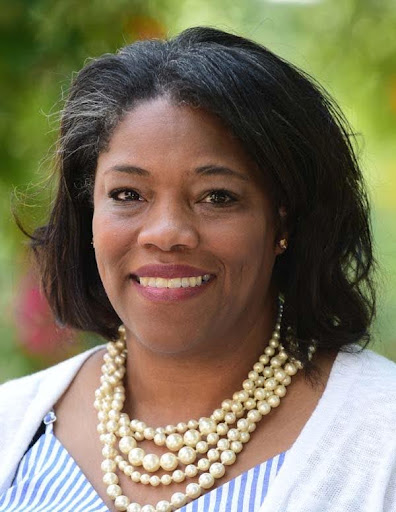
Allycia Brown is in her 26th year of service at Charlotte Christian School. Her tenure began in 1999 as a second-grade teacher assistant, and then in 2008, she transitioned to the lower school administration team, where she served as the director of student life, overseeing the chapel program, extended day, summer camp program, special school programs, and character development. In 2010, Mrs. Brown joined the admissions team as the admissions coordinator, where she led school tours and coordinated admissions open houses and special events. Today, she serves as the director of early education and lower school admissions. She has spearheaded the reimagination of Early Education Playdate/Assessment in response to robust admissions demand and a commitment to learning readiness among young learners. During her tenure, she has seen exponential growth in the school’s student population and campus footprint, as well as the school’s intentionality to stay true to its mission. Mrs. Brown holds a bachelor’s degree in education from Queens University of Charlotte and a master’s in human service counseling from Regent University. She is a certified Gesell examiner by the Gesell Institute of Child Development and an active member of the National Association for the Education of Young Children (NAEYC). Allycia and her husband, Shonn, have a son, Terrelle (’22), a graduate of Wheaton College, and a daughter, Morgan (’25), currently attending Baylor University. In her free time, she enjoys gardening and playing pickleball.
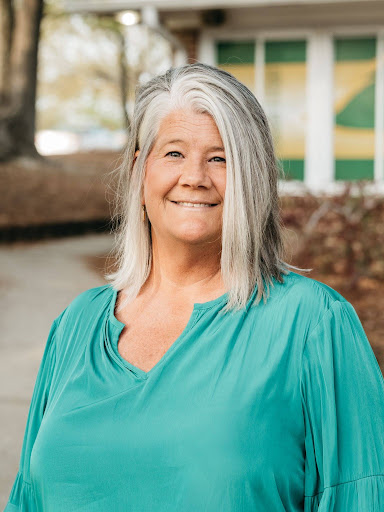
Kelly Adams currently serves as the Upper School Admissions Director at Ben Lippen School, where she has spent the past 20 years guiding families through the admissions process with care, clarity, and a high-touch, relational approach. During her tenure, the school has experienced significant growth, expanding from 700 to over 1,200 students.
Kelly is deeply passionate about Christian education and is committed to walking closely with each family throughout the enrollment journey. Her hands-on approach and intentional investment in people create meaningful, lasting relationships. Grounded in her love for Jesus and for others, she seeks to serve families with authenticity, compassion, and excellence.
Over the years, Kelly has developed detailed spreadsheets and reporting systems that have been instrumental in tracking data week to week, month over month, and year over year. These tools have helped school leadership make informed decisions, plan effectively, and strategically focus marketing efforts in key areas.
In addition to her professional role, Kelly brings a personal perspective shaped by more than 26 years as a Ben Lippen parent. All three of her children—Lauren (Class of 2011) grad of Clemson University, Will (Class of 2013) grad of University of South Carolina, and Caleb (Class of 2022) who is in a 4-year Lineman Apprenticeship at Dominion Energy.
When Kelly is not at school, she enjoys spending time with her family and her grandchildren, who bring her great joy.

Heidi Lepley is the Director of Admissions at Des Moines Christian School, where she has served for seven years and has led the department since 2021. During that time, DMC has grown from 1,200 to more than 1,600 students, bringing both exciting opportunities and the very real emotional weight that comes with walking alongside hundreds of families each year.
With two children currently enrolled at DMC, Heidi understands the admissions journey not only as a professional, but also as a parent. She leads a small but dedicated team of three, navigating the complexities of enrollment growth, family expectations, and the deeply personal nature of admissions decisions.
Grounded in DMC’s mission to equip minds and nurture hearts to impact the world for Christ, Heidi is passionate about creating an admissions experience that is both thoughtful and compassionate. She is also part of the team supporting a new high school expansion set to open in the 2027–28 school year.
When she’s not at school, you can find her reading, volunteering at her church, or enjoying time on the water.