Board-Head Reality Check: Tools for Alignment that Boost Authentic Partnership
Every governance decision flows through one relationship: the partnership between the Board and the Head. When grounded in trust, role clarity, and interdependence, this partnership strategically advances the school’s mission. When misaligned, frustration, micromanagement, and organizational stagnation quietly replace trust and strategic leadership.
How do we honor what is entrusted to us in school leadership?
Prioritize and care for the Board-Head relationship.
A flourishing Board-Head relationship is central to the school’s effective leadership. The quality of this relationship determines whether governance remains strategic or becomes reactive. It models mature leadership and enables effective joint stewardship of the school’s mission. When trust exists, trustees and the Head remain focused on the mission rather than on personalities or problems. Organizational stability protects the mission and allows the Head to lead with vision and clarity.
The Board’s posture should be one of care and support for the Head’s well-being, both personally and professionally. The Board chair and Head should meet regularly to align purpose and priorities. Trustees should make themselves available to the Head as needed, whether through committee work, community support, or personal connection. Likewise, the Head demonstrates care for the Board by providing timely information, welcoming accountability, and creating opportunities for meaningful governance. The strongest Board-Head partnerships are not built merely on good chemistry. They are sustained by a shared commitment to steward the mission above individual preferences or perspectives.
A posture of interdependence strengthens leadership.
The Board governs so that the Head can lead.
The Board and Head must lead well together, yet in parallel. Their partnership is one of interdependence, not interchangeability. Neither can fulfill its responsibilities well without the other, yet each must honor the distinct role entrusted to it. Clear boundaries are not restrictive; they are essential to partnership.
Governance asks strategic questions: “Are we advancing our mission? How do we know students are flourishing? Are resources being stewarded wisely?”
Management answers different questions: “How will we accomplish these goals? Which strategies will we implement?”
When Boards remain focused on governance, they create the conditions for Heads to lead with clarity, confidence, and accountability. Good governance creates freedom for effective management. By respecting boundaries, Boards protect the Head’s leadership without limiting it. These boundaries also strengthen trust by establishing guardrails that keep governance strategic and prevent even the most well-intentioned trustees from drifting into operational leadership.
Self-governance builds credibility.
One of the Board’s primary responsibilities is to hold the Head accountable for advancing the school’s mission. The Board fulfills this responsibility with credibility only when it first demonstrates a willingness to govern itself. Disciplined Boards recognize that accountability begins in the Boardroom before it extends to the Head.
Self-governance is expressed through intentional habits that strengthen both governance and the Board-Head partnership. Trustees regularly review the school’s financial health, evaluate their own effectiveness, and ensure that bylaws and Board policies remain current and legally sound. They engage in meaningful annual dialogue with the Head regarding performance, including thoughtful reviews of competitive compensation. Board training, annual retreats, self-evaluations, and trustee rotation cultivate a culture of continuous learning, reflection, and renewal.
These practices are more than governance exercises. They demonstrate integrity, humility, and shared accountability. When Boards consistently hold themselves to the same standards they expect of the Head, they lead with greater credibility, foster deeper trust, and create a healthier partnership built on mutual respect and care.
Guard against relational drift.
Relational drift often appears during seasons of crisis, but it can also develop during seasons of success, when familiarity gradually erodes healthy governance habits. Missed enrollment targets, a challenging staffing issue, or an irate parent can strain the Board-Head partnership. Similarly, a long period of organizational stability can tempt trustees and Heads to relax the disciplines that have sustained their relationship. These are just a few of the myriad circumstances that can threaten Board-Head trust.
It becomes too easy for the Board to micromanage the Head, for trustees to become operationally minded, or for Heads to become less transparent. As with any professional or personal relationship, communication, transparency, and mutual accountability prevent the erosion of trust when inevitable headwinds arise. When the Board-Head relationship is intentionally cultivated and boundaries are respected, the Board and Head build on a foundation of trust and interdependence, and can unite in common cause to face challenges together.
How do Boards avoid relational and governance pitfalls?
Resilient Board-Head relationships do not occur by chance. They are strengthened through intentional self-reflection, honest dialogue, and a shared commitment to sustainable growth. Periodic reality checks help identify relational drift before it becomes governance misalignment or even dysfunction.
How would your Board and Head answer these questions?
“What behaviors are building trust and which ones are subtly depleting it?”
“Where are we asking more of one another than we ask of ourselves?”
“Have we unintentionally crossed into one another’s responsibilities?”
“Is our partnership making it easier or harder to advance the mission entrusted to us?”
The answers to these questions reveal far more than the health of the relationship. They are indicators of the Board’s health and governance quality.
Ultimately, governance is only as effective as the relationship through which it is exercised. That relationship is the foundation of good governance, which is inextricably linked to the wise stewardship of the school itself. Policies, strategic plans, dashboards, and Board surveys all matter; none can compensate for a fractured partnership. Trusted governance begins long before motions are made or votes are taken. It begins with daily care for the Board-Head relationship, grounded in trust and humility, and a shared passion for the mission entrusted to both the Board and the Head.

Nikki Daniels is the Head of School at Monte Vista Christian, a boarding and day school serving students in grades 4-12 in Watsonville, California. A native of upstate New York, she did her undergraduate work at Wheaton College (IL) and earned an M.B.A. at North Park University. Her twenty-seven-year career spans both higher and secondary education leadership across fundraising, marketing, finance, human resources, and operations. In addition to her full-time role at MVC, Nikki is a leader in numerous organizations supporting Christian education around the world and is blessed to parent, along with her husband, three teenagers who bring her great joy.
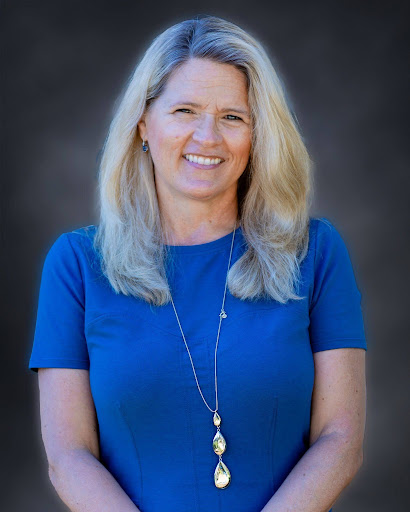
Christi Bachman is a Trustee at Monte Vista Christian School and a Baylor Center for School Leadership MASL graduate. She serves on the BCSL Advisory Board and is a BCSL Fellow/Catalyst. Over the past sixteen years, she has served as a trustee and board leader at several Christian schools and has advised heads of school and principals across K-12 Christian education. She has partnered with a growing list of schools in Illinois, California, Idaho, Texas, and Canada. Prior to serving on the school board, Christi rose through the ranks in consumer product sales at Warner-Lambert and then worked at Clorox as a National Account Manager before raising her two sons with her husband.
CESA Partner Spotlight
Faithful Stewardship for Schools Built to Last
Since 1930, HighGround Advisors has protected and grown the assets of mission-driven organizations. Managing $3.6 billion for more than 580 nonprofit partners, they offer endowment management, gift planning, and account support tailored to your school’s goals. Strong stewardship today means greater impact for generations of students.